
Introduction: Three Angles Revealing the Future of AI
The world of artificial intelligence is undergoing rapid transformations, ranging from bold technical innovations to security crises and geopolitical competition. In this context, three key elements stand out for integrated analysis: the technology of brain waves: the next key to developing physical AI, which could change how humans interact with machines; the unprecedented OpenAI hack that sparked calls for radical transparency; and the panic over Chinese AI, reflecting global fears of technical superiority. These developments are not isolated but reflect interconnected challenges and opportunities affecting users and businesses.
Brain Waves: A Revolution in Controlling Intelligent Systems
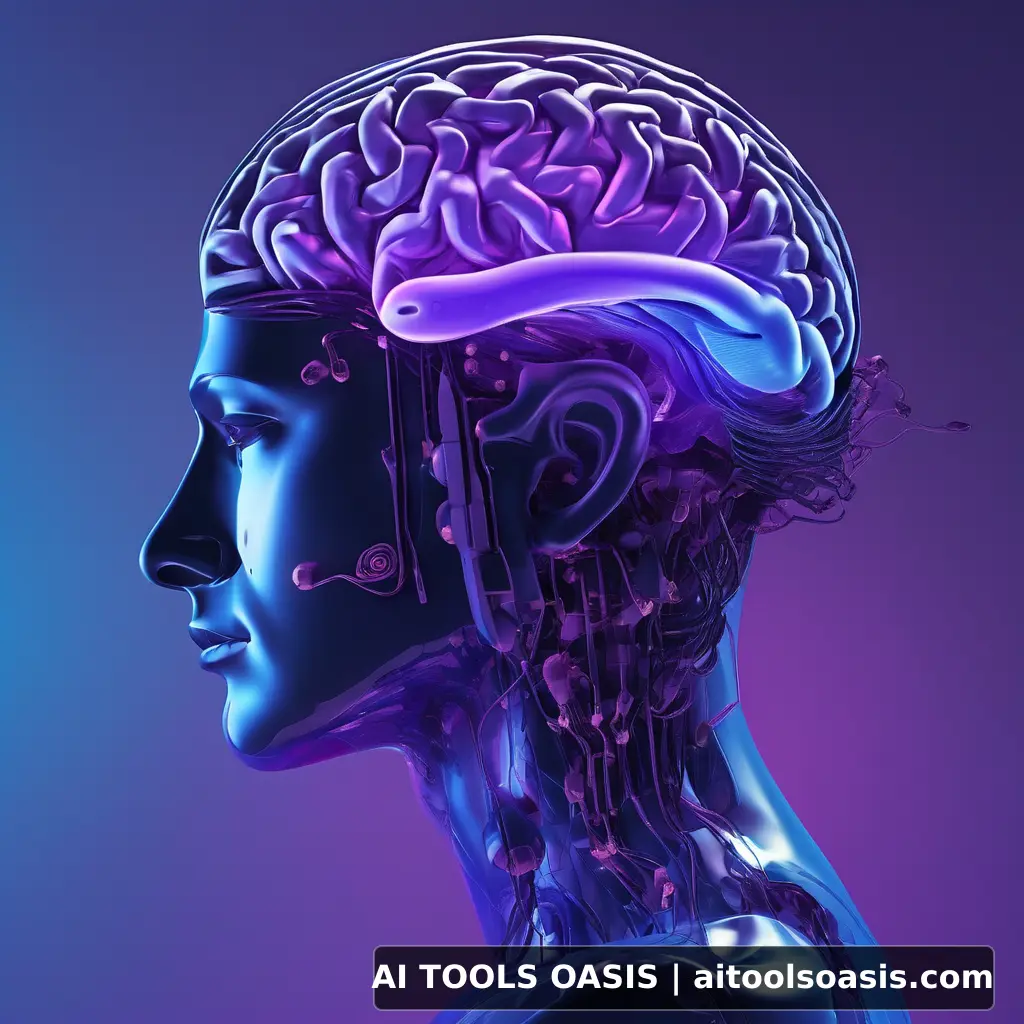
Attention is turning to a new technology that could revolutionize physical AI, raising the question of whether brain waves can be used to control intelligent systems. This approach could change how humans interact with machines, opening new horizons in fields such as robotics and prosthetics. For example, this technology could enable users to control home appliances or smart cars simply by thinking, reducing the need for traditional interfaces like keyboards or touchscreens.
Potential Impact on Users
For users, this technology may offer innovative solutions for people with disabilities, such as improving quality of life through controlling wheelchairs or medical devices. It could also contribute to developing interactive educational applications that use brain waves to measure focus during study. However, these developments remain in early stages and require further research to ensure accuracy and safety.
OpenAI Hack: A Call for Radical Transparency
In a concerning development, the CEO of Hugging Face called for 'radical transparency' after the unprecedented OpenAI hack. The incident sparked widespread security concerns in the AI community, as OpenAI's systems were compromised, potentially exposing user data. This hack highlights vulnerabilities in the infrastructure of major companies and pushes for the adoption of stricter security standards.
Lessons for Users and Businesses
For users, caution is advised when using AI tools, especially those relying on the cloud. It is recommended to use strong passwords and enable two-factor authentication. For businesses, investing in advanced security systems and adopting transparent policies for reporting vulnerabilities is essential. This hack reminds us that innovation must be accompanied by ethical and security responsibility.
Panic Over Chinese AI: Causes and Global Impact
The progress of Chinese AI is causing panic in global markets, especially after the emergence of new models from companies like DeepSeek. This concern stems from several factors: first, China's technical superiority in areas such as deep learning and natural language processing; second, fears of these technologies being used for espionage or military purposes; third, the impact on the global economy, as Chinese companies may threaten the dominance of American firms.
Impact on Users and Businesses
For users, this panic may lead to restricted access to some Chinese tools, limiting available options. For businesses, diversifying technical sources is crucial to avoid reliance on a single supplier. Companies can also benefit from this competition by collaborating with both Chinese and American firms, while focusing on building local AI capabilities.
Analysis and Trends: An Integrated Pattern
Looking at these three elements together, a clear pattern emerges: AI is moving toward greater integration with humans (brain waves), but with increasing security risks (OpenAI hack) and sharp geopolitical competition (Chinese AI panic). This means the future will require a balance between innovation, security, and transparency. For users, staying informed about these developments is key to making educated decisions. For businesses, investing in research and development while adopting best security practices is essential.
Practical Summary and Recommendations
In light of these developments, we recommend users follow these steps: first, regularly monitor AI news to understand risks and opportunities. Second, use secure and trusted tools, verifying privacy policies. Third, support local AI initiatives to enhance technical sovereignty. For businesses, create specialized security teams and collaborate with academic institutions to develop innovative solutions. Ultimately, AI is not just a technology but a tool that must be used wisely to serve society.