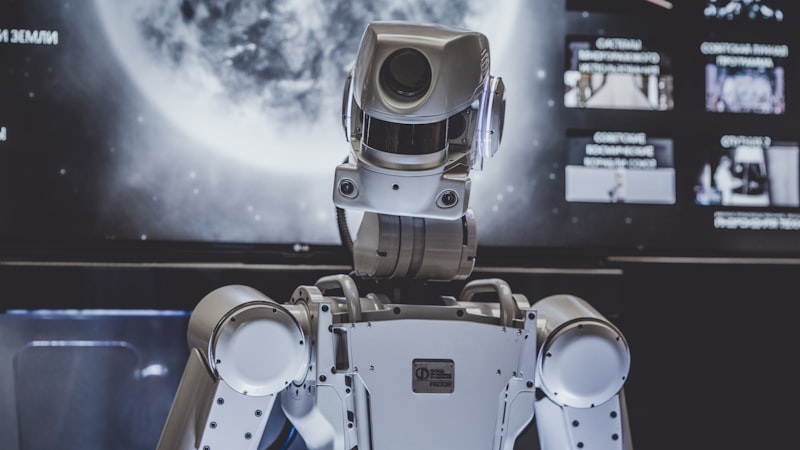
Tether CEO Paolo Ardoino's unprecedented media visibility signals a strategic pivot beyond stablecoins. The company is aggressively expanding into AI, financial infrastructure, and renewable energy. This PR campaign aims to counter regulatory pressure and rebrand Tether as a diversified tech conglomerate.
In recent weeks, it has become impossible to miss Paolo Ardoino, the CEO of Tether, dominating headlines across global tech and financial media. From in-depth television interviews to keynote speeches at major blockchain and artificial intelligence conferences, Ardoino appears to have launched an unprecedented public relations campaign. This dramatic shift—from the traditionally reclusive posture of major crypto entities to a highly visible, vocal front—raises critical questions about the underlying strategic objectives. The move comes at a pivotal time for the stablecoin market, which faces intensifying competition and potentially existential regulatory developments worldwide.
Ardoino's appearances are no longer confined to niche cryptocurrency events. His reach has expanded to include major traditional media platforms, where he speaks confidently about the future of the financial system and major technological shifts. This intense media presence coincides with a series of announcements from Tether outlining ambitious expansion plans that go far beyond issuing USDT, the world's largest stablecoin by market capitalization.
The company has revealed massive investments targeting several high-growth sectors, which partly explains the need to bolster its public image and institutional legitimacy. The key pillars of this expansion include:
Analysts view this systematic media campaign as more than fleeting marketing; it's part of a simultaneous defensive and offensive strategy. On one hand, Tether faces mounting regulatory pressure globally, particularly in the United States and European Union, where governments are considering strict stablecoin legislation. The confident public presence aims to cement the company's image as a transparent, constructive partner to the financial system, rather than a marginal entity.
On the other hand, the strategy seeks to redefine the Tether brand. Instead of being known solely as the issuer of a dollar-pegged stablecoin, it strives to present itself as a leading technological and investment group in future-facing fields like AI and energy. This rebranding could increase its market valuation and attract strategic partnerships with traditional institutions wary of pure-play crypto firms.
Tether is the company behind USDT, a stablecoin whose value is pegged 1:1 to the US dollar. It is widely used as a bridge between traditional fiat currencies and cryptocurrencies on exchanges, and for trading and transfers due to its relative stability compared to volatile cryptocurrencies like Bitcoin.
The intense visibility is a response to several converging factors: fierce competition from other stablecoins backed by major corporations, global regulatory pressures demanding greater transparency, and a desire to establish Tether as a multifaceted tech company shaping the future of finance, not just a stablecoin issuer.
Tether recently announced significant investments in the Artificial Intelligence sector, including funding for startups and development of computational infrastructure. This is part of a long-term strategy to diversify the company's business portfolio, capitalize on the sector's explosive growth, and deploy its substantial capital reserves into productive investments.
While the campaign aims to build confidence, experts advise investors to distinguish between public relations and financial fundamentals. The expansion into new, capital-intensive sectors like AI and energy carries inherent execution risks. The true test will be whether Tether can successfully manage and integrate these diverse ventures while maintaining the stability and trust underpinning USDT.
Tether's aggressive repositioning raises the stakes for the entire stablecoin sector. It pressures competitors to match its scale of ambition and could accelerate industry consolidation. Furthermore, by proactively engaging regulators and the mainstream media, Tether is helping to set the narrative for how stablecoin providers are perceived, potentially paving the way for broader institutional adoption.
Paolo Ardoino's omnipresence is not a random publicity stunt but a carefully orchestrated component of Tether's evolution. The company is leveraging its massive reserves and market position to transition from a single-product entity into a diversified technology conglomerate. This media strategy serves to manage regulatory narratives, attract talent and partners, and signal maturity to the traditional financial world. Whether this bold rebranding succeeds will depend on Tether's ability to deliver tangible results in its new ventures while safeguarding the core stability of USDT. The outcome will significantly influence the trajectory of the entire digital asset ecosystem.
Source: TechCrunch AI | Analysis & Editorial: AI Tools Oasis

Bringing you the latest news and analysis in the world of Artificial Intelligence with accuracy and credibility. Follow us for all updates.

OpenAI is advancing its ambitious super app project, aiming to integrate advanced AI capabilities into a single, multifunctional platform. This development is part of the company's strategy to expand services and deliver a unified user experience. Discover the full details and expected impact of this move.
Notion has restored access to its Anthropic AI integration after a 4-hour outage disrupted users relying on Claude-powered features. The incident highlights the growing dependency on AI productivity tools and raises questions about infrastructure stability. All user data remained secure during the disruption.

A new report from TechCrunch AI warns of a potential 'Tokenpocalypse'—a massive collapse of digital tokens due to oversupply. With over 80% of new tokens losing 90% of their value, the market faces a crisis reminiscent of the dot-com bubble. This analysis explores the risks, impacts, and how investors can protect themselves.
