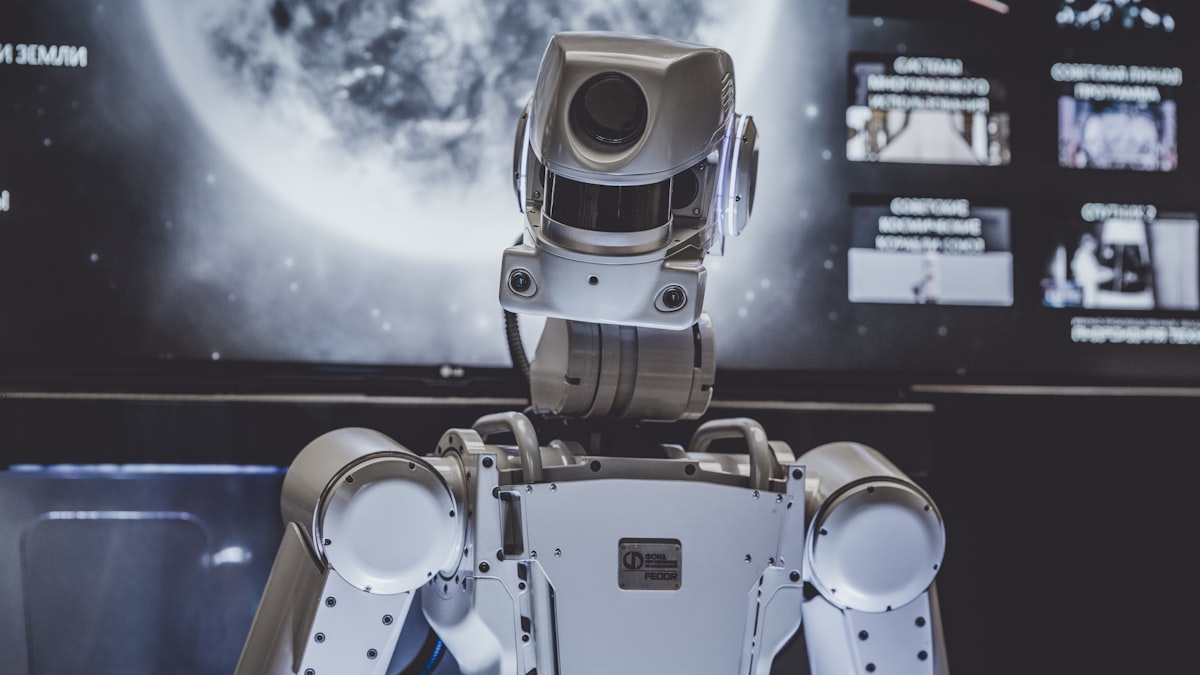
A historic investment surge is reshaping healthcare as artificial intelligence becomes the new frontier for medical innovation. Major tech giants and agile startups are racing to develop diagnostic tools, personalized treatments, and intelligent care management systems. This AI Tools Oasis report examines the scale of this gold rush, key players driving the transformation, and the critical ethical and regulatory challenges that accompany this technological revolution in medicine.
The healthcare sector is undergoing a seismic shift reminiscent of historical gold rushes, with unprecedented capital flooding into artificial intelligence applications for medicine. According to a special report from TechCrunch AI, machine learning and deep learning technologies have become the primary drivers of innovation in diagnostics, drug development, and personalized medicine. This transformation extends beyond mere efficiency improvements, fundamentally redefining core healthcare concepts by enabling medical discoveries previously thought impossible.
Multiple factors are fueling this massive investment acceleration. First, the availability of vast quantities of health data from electronic records, wearable sensors, and genomic sequencing. Second, the tremendous advancement in AI processing capabilities by companies like OpenAI and Google AI, allowing analysis of complex patterns in biological data. Third, increasing pressures on global health systems to reduce costs while improving outcomes, creating an urgent need for intelligent solutions.
Investors and innovators are focusing on several promising domains:
This market features competition among diverse actors. On one side, technology giants like Microsoft (through its Nuance partnerships) and Google (DeepMind Health project) bring powerful cloud infrastructure and machine learning expertise. On the other, hundreds of specialized startups focusing on specific applications are thriving, backed by record venture capital. Leading research institutions and hospitals are also entering strategic partnerships to develop and deploy these solutions in real-world settings.
Despite immense potential, this technological race faces significant hurdles. Regulatory challenges include the need for approvals from bodies like the U.S. Food and Drug Administration (FDA), which require rigorous proof of safety and efficacy. Privacy and security challenges also emerge when handling sensitive health data. Additionally, issues related to algorithmic bias if trained on non-representative data could lead to healthcare disparities. Integration with legacy healthcare infrastructure presents another technical obstacle.
Current practical applications include analyzing radiological and pathological images to detect tumors, virtual assistants for answering patient queries, remote patient monitoring systems that predict health deterioration, and drug discovery platforms that shorten development time. These tools enhance physician efficiency and improve diagnostic accuracy.
It is unlikely that artificial intelligence will completely replace human doctors. The more realistic role is augmenting physician capabilities, where AI handles routine tasks and complex data analysis, while the doctor remains responsible for human interaction with the patient, making final clinical decisions based on comprehensive context, and surgical skills. The future points toward a collaborative model.
Key risks include algorithmic errors that could lead to misdiagnosis, model bias against specific demographic groups if training data isn't comprehensive, and security breaches threatening the privacy of highly sensitive health data. Over-reliance on technology might also erode clinicians' fundamental skills. These risks require strong regulatory frameworks and rigorous testing.
Patients can enjoy faster and more accurate diagnoses, personalized treatment plans tailored to their genetic makeup and unique condition, continuous health monitoring via wearables, and easier access to remote medical consultations. The ultimate goal is proactive healthcare focused on prevention rather than just treatment, potentially improving quality of life and lowering long-term costs.
Experts predict this investment race will continue and accelerate, with greater convergence between biotech and digital technologies. We may witness the emergence of "digital doctors" providing initial guidance, and health systems capable of predicting outbreaks before they spread. However, true success will depend on balancing innovation with ethical regulation, and ensuring the benefits of AI in healthcare are accessible to all, not just the wealthy or residents of developed nations.
Source: TechCrunch AI | Analysis & Editorial: AI Tools Oasis

Bringing you the latest news and analysis in the world of Artificial Intelligence with accuracy and credibility. Follow us for all updates.

OpenAI is advancing its ambitious super app project, aiming to integrate advanced AI capabilities into a single, multifunctional platform. This development is part of the company's strategy to expand services and deliver a unified user experience. Discover the full details and expected impact of this move.

Notion has restored access to its Anthropic AI integration after a 4-hour outage disrupted users relying on Claude-powered features. The incident highlights the growing dependency on AI productivity tools and raises questions about infrastructure stability. All user data remained secure during the disruption.

A new report from TechCrunch AI warns of a potential 'Tokenpocalypse'—a massive collapse of digital tokens due to oversupply. With over 80% of new tokens losing 90% of their value, the market faces a crisis reminiscent of the dot-com bubble. This analysis explores the risks, impacts, and how investors can protect themselves.
