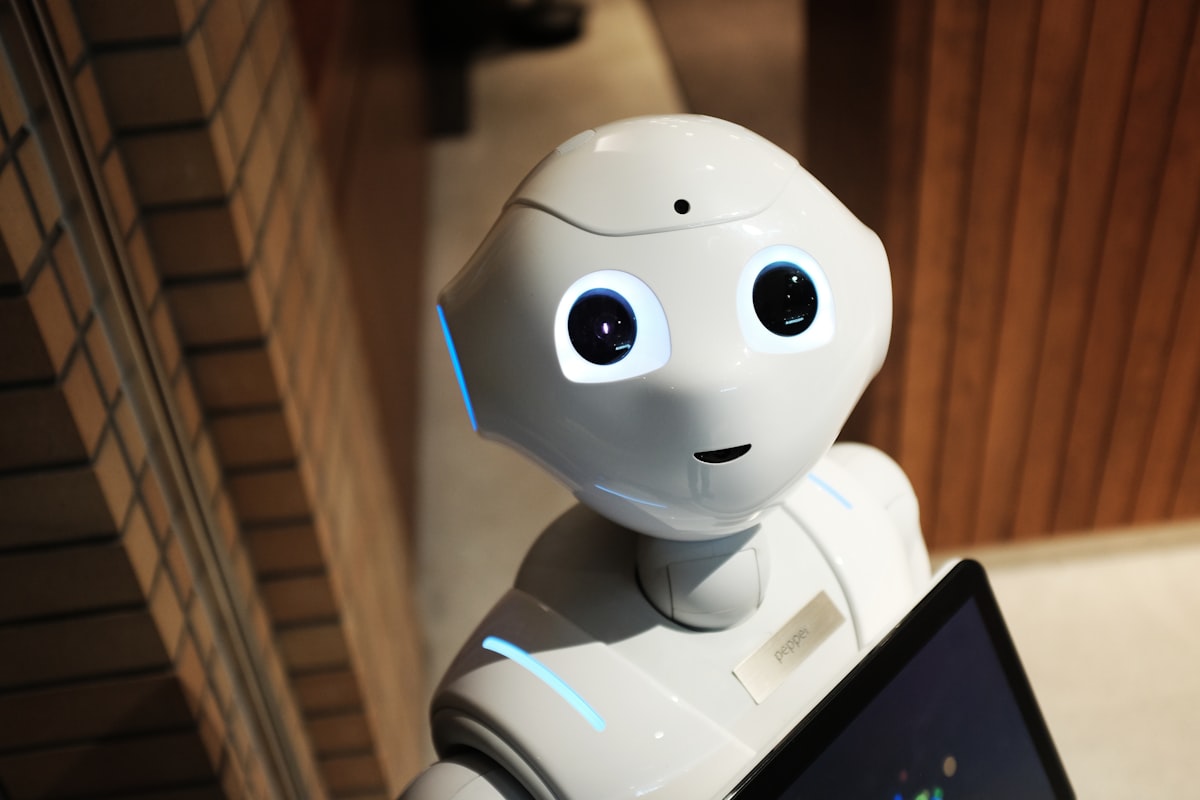
In a surprising move, Pope Francis releases an encyclical on artificial intelligence that focuses on human values and ethics rather than technical details. This article analyzes the philosophical and social dimensions of the message and its impact on policymakers and developers.
In a landmark move, Pope Francis has issued a new encyclical addressing artificial intelligence, but it's not what many expect. Instead of diving into algorithms or technical applications, the letter centers on the human and ethical dimensions of this technology. Released amid global debate over AI's societal impact, the encyclical adds a crucial voice to the conversation. It challenges the tech industry and policymakers to prioritize human dignity over mere innovation. This document is not just a religious statement but a call for a more inclusive and ethical approach to AI development.
The encyclical, covered by outlets like TechCrunch AI, does not treat AI as a purely technical subject. Instead, it uses AI as a mirror to reflect major human issues such as social justice, human dignity, and global solidarity. The Pope warns against being dazzled by technological progress at the expense of core values, cautioning that AI could deepen social divides if not used wisely.
Analyses suggest the letter aims to send a message to both policymakers and developers: technology must serve humanity, not the other way around. It also criticizes the tendency to view AI as a panacea for all problems, emphasizing the need for societal dialogue on its uses. The encyclical calls for a balanced approach that integrates ethical considerations into every stage of AI development and deployment.
This encyclical arrives as AI development accelerates, raising concerns about privacy, bias, and job displacement. By adding a strong ethical voice, the Pope may influence policymakers in predominantly Catholic countries. The letter also reminds developers and tech companies that their responsibility extends beyond technical innovation to include the social and ethical impact of their products.
Experts believe this message could shift the AI debate from a purely technical discussion to a broader societal one, involving philosophers, sociologists, and religious leaders. Such diversity of voices could lead to more balanced and inclusive regulatory frameworks. The encyclical encourages a multidisciplinary approach to AI governance, emphasizing that ethical considerations are not optional but essential.
No, it does not criticize AI as a technology but rather the ways it might be used without regard for human values. The Pope encourages responsible innovation that keeps humans at the center.
The letter focuses on values like justice, dignity, solidarity, and participation. It calls for ensuring AI does not exacerbate inequality or violate human rights.
While not legally binding, the encyclical carries significant moral weight, especially in Catholic communities. It may push companies to review their ethical policies in response to societal pressure generated by such messages.
This is the first time the Pope has dedicated a full encyclical to AI, giving the topic special importance. Previous statements were often within broader contexts like peace or the environment.
The Church is expected to launch dialogue initiatives with tech experts and policymakers to translate the encyclical's principles into practical guidelines. The Vatican may also host international conferences on AI ethics.
Ultimately, the Pope's encyclical on AI is not just a religious document but an open invitation for the international community to deeply reflect on the relationship between humans and machines. It reminds us that true technological progress respects human values and promotes common well-being. As we continue to develop advanced AI tools, ethical questions remain the most pressing. This message urges us to prioritize humanity in the age of intelligent machines.
Source: TechCrunch AI | Analysis & Editorial: AI Tools Oasis

Bringing you the latest news and analysis in the world of Artificial Intelligence with accuracy and credibility. Follow us for all updates.

OpenAI is advancing its ambitious super app project, aiming to integrate advanced AI capabilities into a single, multifunctional platform. This development is part of the company's strategy to expand services and deliver a unified user experience. Discover the full details and expected impact of this move.
Notion has restored access to its Anthropic AI integration after a 4-hour outage disrupted users relying on Claude-powered features. The incident highlights the growing dependency on AI productivity tools and raises questions about infrastructure stability. All user data remained secure during the disruption.

A new report from TechCrunch AI warns of a potential 'Tokenpocalypse'—a massive collapse of digital tokens due to oversupply. With over 80% of new tokens losing 90% of their value, the market faces a crisis reminiscent of the dot-com bubble. This analysis explores the risks, impacts, and how investors can protect themselves.
