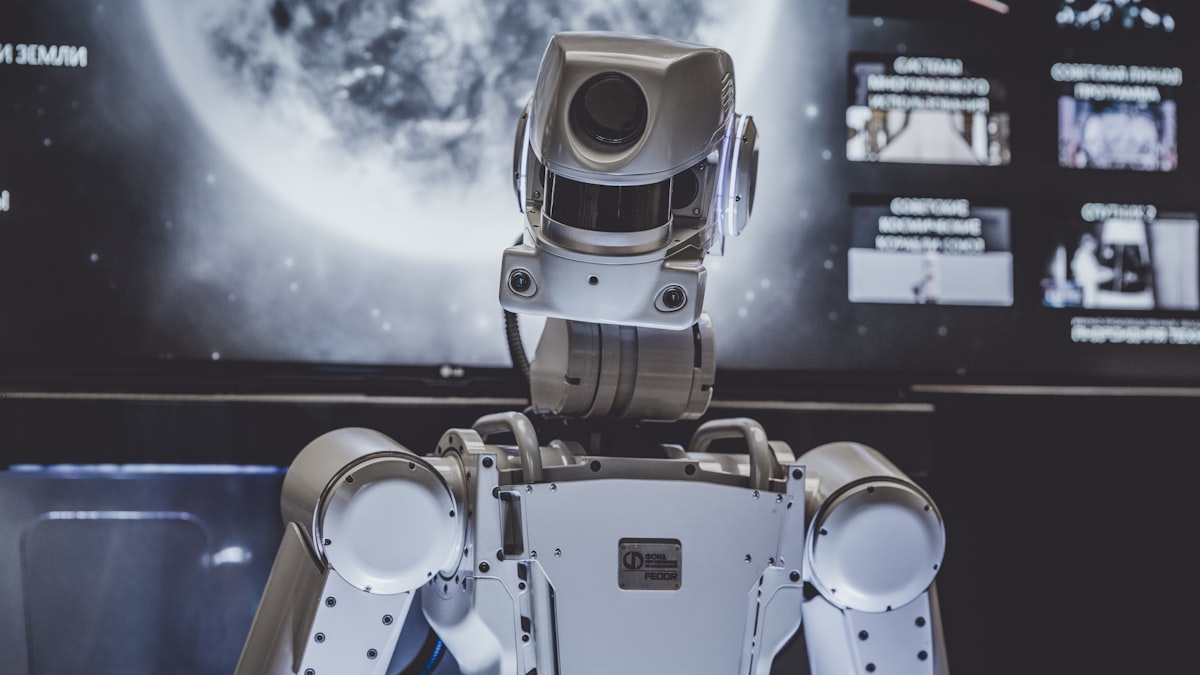
Moltbot, formerly known as Clawdbot, has emerged as a viral personal AI assistant phenomenon. Its advanced contextual understanding and daily task management capabilities have fueled organic growth across social platforms. This analysis explores its technical evolution, unique features, and potential impact on the competitive AI assistant landscape.
In the rapidly accelerating world of artificial intelligence, certain tools periodically capture the attention of both users and experts. The latest such phenomenon is the personal AI assistant now known as Moltbot, which originally launched under the name Clawdbot. The transition from one name to another wasn't merely cosmetic; it resulted from fundamental evolution in the product's philosophy and future direction. This assistant has successfully transformed itself from a mere technical tool into a cultural phenomenon on platforms like TikTok and Twitter, where users actively discuss their distinctive experiences with it. This article dives deep into the Moltbot story, reveals the technical details behind its growing popularity, and analyzes its potential impact on the future of human-machine interaction.
The story of this smart assistant began with its beta launch under the name Clawdbot, a name developers derived from the concept of a "claw" that grasps and organizes tasks with precision. As the user base grew and feedback accumulated, the team decided to conduct a comprehensive rebranding to better reflect the product's new identity and evolved capabilities. The new Moltbot name is inspired by the biological process of "molting," where creatures shed old layers to grow and regenerate, symbolizing the assistant's ability to adapt and learn continuously with every interaction.
Moltbot features an advanced natural language processing engine specifically designed to understand user intent within daily context. Instead of responding to isolated commands, the assistant attempts to build continuous, meaningful conversation, remembering previous details and using them to provide proactive suggestions. Its standout features include:
The viral spread of Moltbot isn't credited to traditional marketing campaigns but to organic content created by users themselves. TikTok users began sharing videos demonstrating how the assistant helped organize their lives in innovative ways—from planning weekly meals to suggesting nighttime relaxation routines. This type of authentic testimony built the product's credible reputation and made it desirable to a broad demographic.
Moltbot's rise comes at a time when the smart assistant market faces fierce competition among tech giants. While assistants like Google Assistant and Siri focus on rapid command execution, Moltbot appears to adopt a more personal and relational approach. This shift from a "command-and-response" model to a "companion-and-understanding" model may represent a broader trend for the future of this technology. Analysts suggest Moltbot's success lies in filling a crucial gap: the human desire for a tool that not only executes tasks but understands the emotional and practical context of daily life.
From a commercial perspective, this success raises questions about future business models. While the basic version is offered free, speculation suggests the team may introduce premium subscription tiers offering advanced features like deep personalization analytics or integration with professional productivity tools. The team's ability to balance sustainable growth with maintaining a simple user experience will determine the platform's long-term future.
ChatGPT primarily focuses on text generation and answering general questions in open-ended dialogue. Moltbot, however, is specifically designed as a personal assistant, meaning its core focus is managing your daily life. It interacts with your applications, remembers your preferences, and takes practical actions (like adding an event to your calendar) rather than merely providing information.
According to the privacy policy published by the developers, Moltbot employs end-to-end encryption for sensitive personal data and allows users to control what information is stored locally versus on cloud servers. The company states it does not sell personal data to third parties. However, as with any AI assistant that integrates with multiple services, users should review permissions carefully and understand what data sharing is necessary for functionality.
Currently, Moltbot is available as a mobile application for both iOS and Android. The development roadmap, as hinted in community forums, includes a web dashboard version and potential integration with smart home ecosystems. Its API is not yet publicly available for developers, but this is listed as a future consideration for the premium tier.
The system uses a combination of on-device machine learning and anonymized, aggregated cloud analysis. Patterns in your scheduling, communication style, and task completion are analyzed to predict needs. For instance, if you regularly schedule gym sessions on Tuesday evenings, Moltbot might proactively block that time or suggest preparing your gym bag. The learning is designed to be incremental and can be reset via user settings.
Early adopters report that the assistant's strength in context can sometimes lead to over-suggestions or assumptions that feel intrusive, though sensitivity settings can adjust this. Furthermore, its deep integration requires granting significant app permissions, which may be a concern for privacy-focused users. As a newer platform, it also lacks the extensive third-party integrations and language support found in established assistants from Google or Apple.
Moltbot's journey from Clawdbot represents more than a name change—it signifies an evolution in what users expect from digital assistants. By prioritizing contextual understanding and relational interaction over simple command execution, it has tapped into a clear market desire. Its viral, organic growth demonstrates that users are eager for AI tools that feel less like utilities and more like adaptive partners in managing modern life's complexity. While questions about its long-term business model and scalability remain, Moltbot has undoubtedly carved out a distinctive niche. Its success challenges industry giants to reconsider the very nature of the human-AI relationship, potentially steering the entire category toward a more personalized, proactive, and understanding future.
Source: TechCrunch AI | Analysis & Editorial: AI Tools Oasis

Bringing you the latest news and analysis in the world of Artificial Intelligence with accuracy and credibility. Follow us for all updates.

OpenAI is advancing its ambitious super app project, aiming to integrate advanced AI capabilities into a single, multifunctional platform. This development is part of the company's strategy to expand services and deliver a unified user experience. Discover the full details and expected impact of this move.

Notion has restored access to its Anthropic AI integration after a 4-hour outage disrupted users relying on Claude-powered features. The incident highlights the growing dependency on AI productivity tools and raises questions about infrastructure stability. All user data remained secure during the disruption.

A new report from TechCrunch AI warns of a potential 'Tokenpocalypse'—a massive collapse of digital tokens due to oversupply. With over 80% of new tokens losing 90% of their value, the market faces a crisis reminiscent of the dot-com bubble. This analysis explores the risks, impacts, and how investors can protect themselves.
