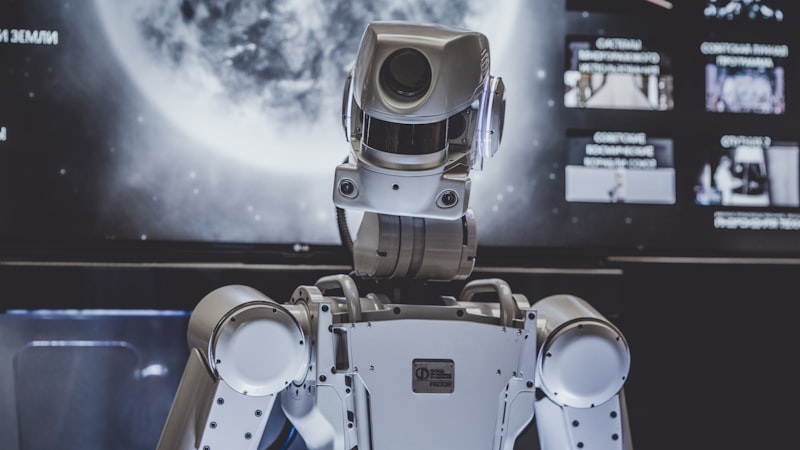
Japan is pioneering a new model for AI and robotics, deploying experimental physical robots to fill critical labor shortages in dangerous, dirty, and difficult jobs. This approach shifts the narrative from job replacement to human-machine collaboration, addressing demographic crises. The Japanese model offers a blueprint for aging societies worldwide.
While global anxiety fixates on robots "stealing jobs," Japan is charting a radically different course. Here, machines are not competitors in the labor market but the optimal solution to a deepening crisis: the impossible vacancies that no human wants to fill. Faced with an accelerating aging population and severe workforce shortages in essential sectors, Japan has become a living laboratory for Physical AI—moving from research facilities into the real world. This transformation is not only redefining the future of work but also presenting a model of human-machine integration focused on plugging critical gaps rather than creating unnecessary competition. The nation's unique demographic pressures have turned advanced robotics from a technological luxury into a societal necessity.
Reports indicate that Japanese startups and research institutions are steadily advancing the deployment of specialized robots into domains once exclusive to humans—not for their simplicity, but for their difficulty, danger, and repetitive nature. These experimental robots are now being tested in real-world environments, from factory floors and construction sites to healthcare facilities. The focus is squarely on the triple-D tasks: the Dull, Dirty, and Dangerous (known in Japan as the "3K" jobs: Kitanai, Kitsui, Kiken). For instance, robots are emerging that can clean confined or high spaces on construction sites, handle hazardous materials, or perform repetitive lifting that leads to human injury. This approach solves a complex equation: protecting human workers from harm while ensuring the continuity of vital economic operations.
This direction emerges from Japan's unique demographic and economic context. A high aging rate and restrictive immigration policies have created a massive market gap that cannot be filled by the available human workforce. Consequently, AI and robotics are no longer seen as technological indulgences but as a strategic imperative for societal and economic continuity. This stands in stark contrast to the prevailing discourse in the West, where automation is often viewed primarily as a threat to low-skilled employment. Analysis suggests the Japanese model could become a blueprint for other developed nations beginning to face similar demographic headwinds. Instead of workers fearing job loss, this model encourages workforce reskilling toward higher value-added tasks, while machines handle the less desirable work. It's a shift from a logic of "replacement" to one of "collaboration and integration" to maximize both productivity and quality of work life.
No, technological transformation will continue to reshape the labor market. However, the Japanese model highlights a priority pathway that may be more urgent and humane: addressing labor shortages in difficult professions before automating comfortable ones. The current focus is on tasks where sectors suffer from a critical deficit of workers, not on areas with a surplus of human labor.
They primarily target tasks characterized by one or more of the following: Dangerous (like working at heights or with harmful substances), physically exhausting (like lifting heavy loads), repetitive to the point of monotony, or requiring work in harsh environments (extreme heat or cold). The goal is to improve occupational safety and free human energy for creativity, supervision, and complex problem-solving.
Generally, the response is positive. Given broad societal awareness of the labor shortage crisis, many workers view these robots as "colleagues" that help lighten the load, not as competitors. Japan's work culture, which values innovation and technology, facilitates this acceptance. Labor unions also often collaborate to ensure that adoption leads to upskilling and improved working conditions rather than displacement.
Physical AI refers to artificial intelligence embodied in robots or other physical systems that can perceive, act upon, and interact with the real world. Unlike purely software-based AI (like ChatGPT), Physical AI combines advanced algorithms with sensors, actuators, and mechanical bodies to perform tangible tasks in unstructured environments, from a construction site to a hospital ward.
Japan's experimental journey with robotics provides a crucial counter-narrative to dystopian fears of mass unemployment. By strategically deploying robots to fill the gaps in undesirable but essential jobs, Japan is demonstrating that the future of work may be less about humans versus machines and more about a synergistic partnership. This model of targeted automation prioritizes human welfare and economic stability, offering a pragmatic template for other nations grappling with aging populations and shifting labor dynamics. The lesson is clear: when guided by necessity and a focus on complementarity, robotics can become a powerful tool for building a more sustainable and humane workforce ecosystem.
Source: TechCrunch AI | Analysis & Editorial: AI Tools Oasis

Bringing you the latest news and analysis in the world of Artificial Intelligence with accuracy and credibility. Follow us for all updates.

OpenAI is advancing its ambitious super app project, aiming to integrate advanced AI capabilities into a single, multifunctional platform. This development is part of the company's strategy to expand services and deliver a unified user experience. Discover the full details and expected impact of this move.

Notion has restored access to its Anthropic AI integration after a 4-hour outage disrupted users relying on Claude-powered features. The incident highlights the growing dependency on AI productivity tools and raises questions about infrastructure stability. All user data remained secure during the disruption.

A new report from TechCrunch AI warns of a potential 'Tokenpocalypse'—a massive collapse of digital tokens due to oversupply. With over 80% of new tokens losing 90% of their value, the market faces a crisis reminiscent of the dot-com bubble. This analysis explores the risks, impacts, and how investors can protect themselves.
