
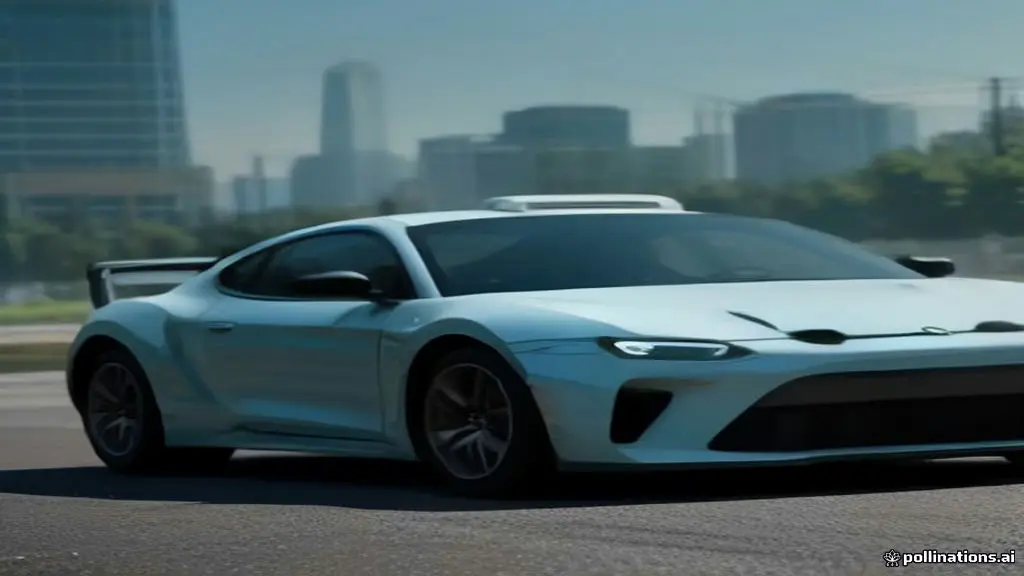
inDrive to Test Robotaxis in Kazakhstan by 2027 with Pony.ai and Nvidia
By Ali Al-Montaser — Senior AI Technical Editor
inDrive signed a memorandum of understanding with Pony.ai and Nvidia to begin robotaxi testing in Astana, Kazakhstan, in the first half of 2027, using Pony.ai's Gen-7 vehicles and Nvidia's Hyperion platform and Halos safety system. Pony.ai aims to operate over 3,500 robotaxis across 20 global cities by the end of 2026, up from 1,975 vehicles in June. The move marks an expansion of the robotaxi market beyond the US and China, with autonomous driving technology tested in harsh winter conditions.
Executive Overview
inDrive, the ride-hailing company competing with Uber, announced on Friday the signing of a memorandum of understanding (MoU) with China's Pony.ai and Nvidia to begin robotaxi testing in Astana, Kazakhstan, in the first half of 2027. Under the agreement, Pony.ai will supply its seventh-generation (Gen-7) vehicles, while Nvidia will provide its Hyperion platform and Halos safety system. The move supports Pony.ai's goal of operating more than 3,500 robotaxis across 20 cities by the end of 2026, up from 1,975 vehicles in June. The initiative represents a significant expansion of the robotaxi market beyond the United States and China, with autonomous driving technology being tested in harsh winter conditions.
📊 Official Technical Specifications & Data Card
| Technical Aspect | Confirmed Official Data |
|---|---|
| 💰 Pricing & Usage Cost | No specific ride pricing announced; inDrive adopts a "capital-light" model through partnerships, aiming to offer self-driving rides at competitive prices in emerging markets. |
| 🌐 Platforms & Immediate Availability | Tests in Astana, Kazakhstan, via the inDrive app; partnership includes Pony.ai (vehicles) and Nvidia (Hyperion platform and Halos system). |
| ⚡ Performance & Speed Benchmarks | No official performance figures published; tests begin with a human safety operator and move toward driverless rides. |
| 🛡️ Safety & Security | Nvidia's Halos safety system, with testing in harsh winter conditions (snow and ice) in Astana to enhance autonomous driving reliability. |
| 🧠 Context Window | Not applicable (autonomous vehicle product, not a language model). |
| 🌍 Arabic Language & Regional Support | Current project is in Kazakhstan; separate agreement with Saudi Arabia's AI Driver to explore deployment in Riyadh in collaboration with WeRide, targeting a trial in the first half of 2026. |
Deep-Dive Features & Architecture
Under the MoU, Pony.ai will provide its seventh-generation (Gen-7) vehicles, which will be made available through the inDrive app and operated in Kazakhstan. In turn, Nvidia will provide the Hyperion platform, which includes a ready-made suite of sensors and computing hardware, reducing robotaxi development costs by avoiding the need to build and integrate every component from scratch. Nvidia will also provide the Alpamayo model and tools for generating synthetic data and testing autonomous driving systems in various scenarios.
Yuri Misnik, CTO of inDrive, confirmed that testing will begin in Astana in the first half of 2027 with a human safety operator, with the goal of achieving fully driverless rides. He explained that the approach is "capital-light by nature," as the company works with different partners in multiple markets to integrate their expertise with its own. Ali Kani, Nvidia's vice president of automotive, said that the cost savings provided by Hyperion are particularly important in emerging markets where ride-sharing services are already affordable, and self-driving services need to compete on cost.
This move is part of Pony.ai's expansion outside China, as it targets operating more than 3,500 robotaxis in over 20 global cities by the end of 2026, up from 1,975 vehicles at the end of June. Kazakhstan also announced last month plans to launch self-driving taxi services in 2027, with initial trials in Astana and two other cities, and introduced rules for testing autonomous vehicles on specific public roads. Astana, with a population of about 1.7 million, is a suitable location for testing technologies in harsh winter conditions that extend for months of snow and ice.
Benchmark & Competitive Performance
Ride-hailing companies are expanding into the robotaxi space; Uber announced this month plans to test Pony.ai robotaxis in London, where it has also begun offering supervised self-driving rides with British company Wayve. Uber is also working with several robotaxi companies in other markets, including the Middle East. Pony.ai aims to exceed 3,500 robotaxis in 20 cities by the end of 2026, compared to 1,975 vehicles in June, reflecting accelerating global expansion. In contrast, inDrive follows a capital-light approach based on partnerships rather than developing technology in-house, which may give it flexibility in emerging markets.
Industry Impact & Enterprise Adoption
The partnership signals a broader trend of robotaxi deployment moving beyond traditional strongholds in the US and China into Central Asia and the Middle East. By leveraging Nvidia's Hyperion platform, inDrive and Pony.ai can reduce development costs and accelerate time-to-market, making autonomous ride-hailing more accessible in price-sensitive regions. The involvement of Nvidia's Halos safety system and the testing in harsh winter conditions could set new benchmarks for reliability and safety in autonomous driving. Furthermore, inDrive's separate agreement with Saudi Arabia's AI Driver and WeRide indicates a strategic interest in the Middle East, with a trial targeted for the first half of 2026 in Riyadh. This could pave the way for Arabic-language support and regional adoption of robotaxi services.
Conclusion
The inDrive-Pony.ai-Nvidia collaboration marks a significant step toward globalizing robotaxi services, with Kazakhstan serving as a testbed for autonomous driving in challenging winter environments. While specific pricing and performance metrics remain undisclosed, the partnership's capital-light model and use of Nvidia's ready-made Hyperion platform could lower barriers to entry in emerging markets. As Pony.ai scales its fleet to over 3,500 vehicles by the end of 2026, the robotaxi industry is poised for rapid expansion beyond the US and China, with the Middle East also on the horizon.
Media Source: TechCrunch AI | Fact Verification & Analysis: AI Tools Oasis
Frequently Asked Questions
Testing will begin in the first half of 2027 in the capital, Astana, initially with a human safety operator, with the goal of achieving fully driverless rides.
Nvidia will provide the Hyperion platform and the Halos safety system, as well as the Alpamayo model and synthetic data generation tools for testing autonomous driving systems in various scenarios.
Pony.ai aims to operate more than 3,500 robotaxis in over 20 cities worldwide by the end of 2026, up from 1,975 vehicles at the end of June 2026.
Pony.ai will provide its seventh-generation (Gen-7) vehicles, which will be available through the inDrive app and operated in Kazakhstan.
The current project is dedicated to Kazakhstan, but inDrive signed a separate agreement in December with Saudi Arabia's AI Driver to explore deploying autonomous vehicles in Riyadh in collaboration with China's WeRide, targeting a trial in the first half of 2026.
AI Tools Oasis Team
Bringing you the latest news and analysis in the world of Artificial Intelligence with accuracy and credibility. Follow us for all updates.


