
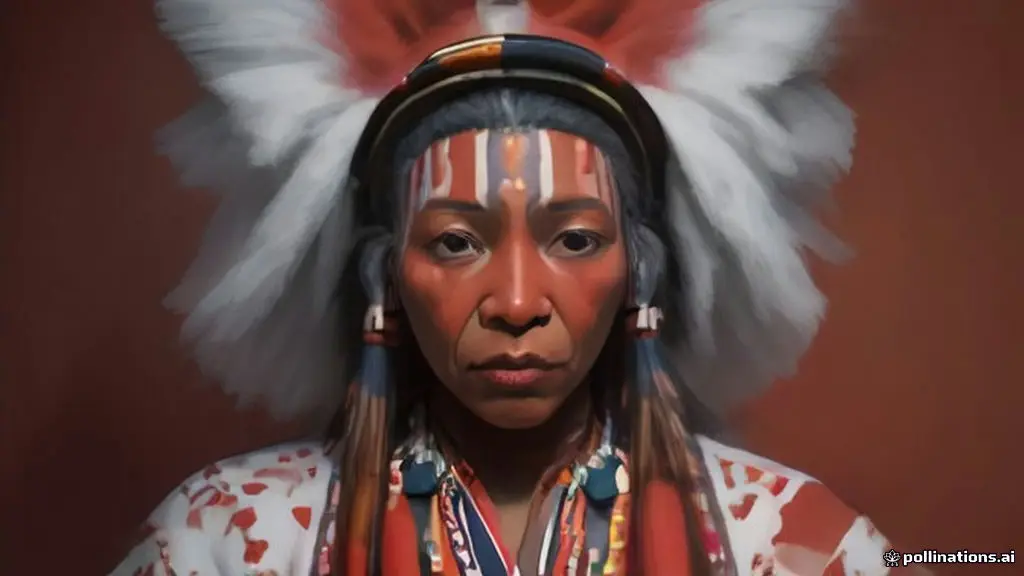
Google Launches First Digital Retrospective of Esther Mahlangu with 45 Stories and Veo AI
By Ali Al-Montaser — Senior AI Technical Editor
Google has launched the first digital retrospective of South African artist Dr. Esther Mahlangu on Google Arts & Culture, celebrating her 91st birthday. The free exhibition features over 45 stories, rare archives, virtual tours, and AI-generated videos using Google DeepMind's Veo to recreate undocumented childhood memories. It marks a new model for preserving Ndebele cultural heritage through generative AI.
Executive Overview
Google has officially announced the launch of the first digital retrospective of South African artist Dr. Esther Mahlangu on the Google Arts & Culture platform, coinciding with her 91st birthday. The project, available for free worldwide at goo.gle/esther-mahlangu, features over 45 stories, rare archives, and virtual tours. A standout innovation is the use of Veo from Google DeepMind to generate videos that recreate undocumented childhood memories, blending historical research with generative AI. This initiative sets a new precedent for preserving Ndebele cultural heritage through responsible AI.
📊 Official Technical Specifications & Data Sheet
| Technical Aspect | Confirmed Official Data |
|---|---|
| 💰 Pricing & Usage Cost | Completely free — available to the public at no cost on Google Arts & Culture |
| 🌐 Platforms & Immediate Availability | Google Arts & Culture (web) — globally accessible via goo.gle/esther-mahlangu |
| ⚡ Performance & Speed Metrics | Over 45 digital stories, virtual tours, and Veo-generated videos |
| 🛡️ Security & Breach Resistance | Official Google platform — subject to standard Google privacy policy |
| 🧠 Memory Context Window | Archive covering from age 10 to first documented works in 1980 |
| 🌍 Arabic Language & Regional Support | Multilingual platform interface; artistic content in English with translation available |
Deep-Dive Features & Architecture
The project employs an innovative methodology combining historical research with generative AI. A team from Google DeepMind and Google Arts & Culture Lab, in partnership with Domestic Data Streamers, documented a missing period of Mahlangu's life—from her start in painting at age 10 to her first documented works in 1980. Still images were generated based on the artist's personal memories, then transformed into videos using Veo to bring her early days to life, including the moment she discovered her talent using feathers instead of brushes.
The exhibition includes over 45 digital stories and is curated in collaboration with prestigious global institutions such as Art of Contemporary Africa, Iziko Museums of South Africa, the British Museum, the Jean Pigozzi Collection, the National Museum of Women in the Arts, and Serpentine. It also features virtual tours using Street View technology and a rich archive documenting the career of an artist who has become a pivotal voice in global contemporary art.
Benchmark & Competitive Performance
This project distinguishes itself from traditional digital exhibitions by leveraging Veo from Google DeepMind, one of the latest AI video generation models. While competing platforms such as other virtual museums typically offer static images and digital archives, this exhibition provides a cinematic revival of undocumented memories, raising the bar for digital cultural heritage experiences. The collaboration with six major international institutions lends the project high academic and historical credibility.
Industry Impact & Enterprise Adoption
Although the exhibition's artistic content is primarily in English, its success opens vast opportunities for applying similar technologies to preserve Arab cultural heritage. Arab developers can utilize generative AI models like Veo to document oral histories and intangible heritage in the region, while considering token efficiency for Arabic texts that require precise linguistic processing. The low cost of developing similar applications on cloud platforms like Google Cloud makes them accessible to startups in the Arab world, especially in virtual museums and cultural tourism.
Conclusion
This project represents a pioneering step in using generative AI to preserve global cultural heritage while respecting personal memory and historical accuracy. Further partnerships between tech giants and cultural institutions are expected to expand the reach of these technologies, reinforcing Google's position as a leader in digital arts and responsible AI.
Media Source: Google AI Blog | البيان الرسمي للشركة: المصدر الأصلي | Fact Verification & Analysis: AI Tools Oasis
Frequently Asked Questions
It is the first digital retrospective of Dr. Esther Mahlangu on Google Arts & Culture, featuring over 45 stories, rare archives, and virtual tours. It was launched to celebrate her 91st birthday and is available for free worldwide.
Google used Veo from Google DeepMind to transform still images generated from Esther Mahlangu's memories into videos. This was done in collaboration with Google Arts & Culture Lab and the Synthetic Memories initiative by Domestic Data Streamers.
The exhibition is available for free on the Google Arts & Culture platform at goo.gle/esther-mahlangu, accessible from anywhere in the world.
The Google Arts & Culture platform has a multilingual interface, but the artistic and informational content of the exhibition is primarily in English, with machine translation available.
The exhibition was organized in collaboration with prestigious institutions including Art of Contemporary Africa, Iziko Museums of South Africa, the British Museum, the Jean Pigozzi Collection, the National Museum of Women in the Arts, and Serpentine.

AI Tools Oasis Team
Bringing you the latest news and analysis in the world of Artificial Intelligence with accuracy and credibility. Follow us for all updates.


