
General Intuition Invests $2.3B to Train AI Agents in Video Games
By Ali Al-Montaser — Senior AI Technical Editor
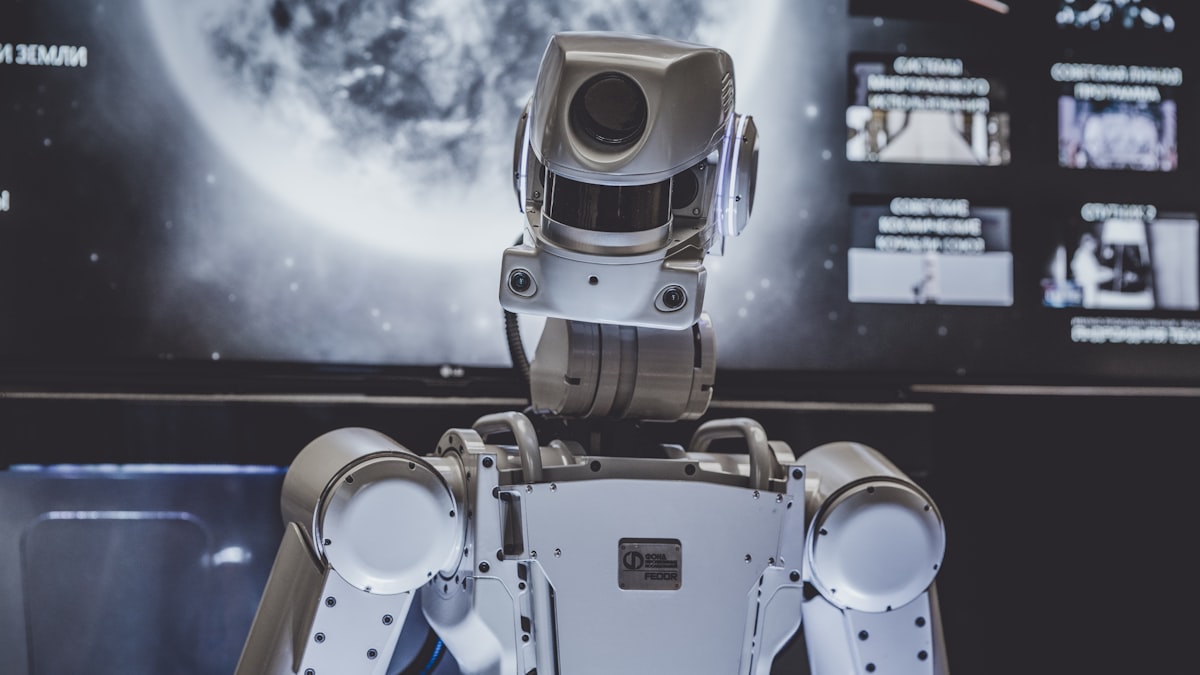
General Intuition announces a $2.3 billion investment to train AI agents using video games as realistic simulators. The initiative aims to develop autonomous systems for robotics and self-driving cars by leveraging complex virtual environments. This move signals growing confidence in gaming as a training ground for real-world AI applications.
Introduction
General Intuition has announced a massive $2.3 billion investment to use video games as a platform for training AI agents to interact with the real world. This ambitious project is based on the idea that complex virtual environments in games can provide safe and effective laboratories for teaching intelligent systems how to handle real-world scenarios. The investment comes at a time when the AI sector is in a heated race to develop more autonomous and adaptable systems. Through this move, the company aims to change how we approach AI training, leveraging the immense progress in the gaming industry.
News Details
According to a report by TechCrunch AI, General Intuition plans to invest $2.3 billion in building a training platform based on video games. The goal is to create AI agents that can learn skills in virtual environments and then apply them in the real world, such as driving cars or operating robots. This approach differs from traditional methods that rely on limited real-world data or simple simulations.
The substantial investment reflects investor confidence in the company's ability to make significant progress in this field. The company has not disclosed precise details about the project timeline or potential partners, but it has confirmed that modern games offer richly detailed environments that can simulate physics, social interactions, and changing conditions. This could allow for training more flexible AI systems capable of handling unexpected situations.
Impact & Analysis
This investment could represent a paradigm shift in AI development, opening the door to using video games as a primary training tool instead of relying solely on real-world data. It is expected to accelerate the pace of AI system development in fields such as robotics, autonomous driving, and healthcare. It also reinforces the gaming industry's position as a strategic sector that goes beyond entertainment to become part of the infrastructure for future technology.
However, the biggest challenge remains ensuring that systems trained in virtual environments can adapt to the complexities of the real world. Additional research is needed to evaluate the long-term effectiveness of this approach, especially given concerns about safety and ethics. But the large investment from General Intuition indicates that the company is betting heavily on this vision.
Conclusion
General Intuition's $2.3 billion investment represents a bold step toward integrating video games with AI to train agents capable of operating in the real world. If successful, this project could change the game in how intelligent systems are developed, making them more efficient and less costly. However, success depends on overcoming technical and practical challenges. This development remains intriguing for followers of both the technology and gaming sectors.
Source: TechCrunch AI | Analysis & Editorial: AI Tools Oasis
Frequently Asked Questions
The goal is to use video games as a platform to train AI agents to interact with the real world, enabling the development of more autonomous and adaptable systems.
Video games provide richly detailed virtual environments that simulate physics, social interactions, and changing conditions, allowing systems to be trained on complex scenarios without real-world risks.
Fields such as robotics, autonomous driving, and healthcare are expected to benefit, as systems trained in games can apply their skills to real-world applications.
Yes, the biggest challenge is ensuring that systems trained in virtual environments can adapt to the complexities of the real world, along with concerns about safety and ethics.
The information comes from a report published by TechCrunch AI on June 25, 2026, regarding General Intuition's investment.
AI Tools Oasis Team
Bringing you the latest news and analysis in the world of Artificial Intelligence with accuracy and credibility. Follow us for all updates.


