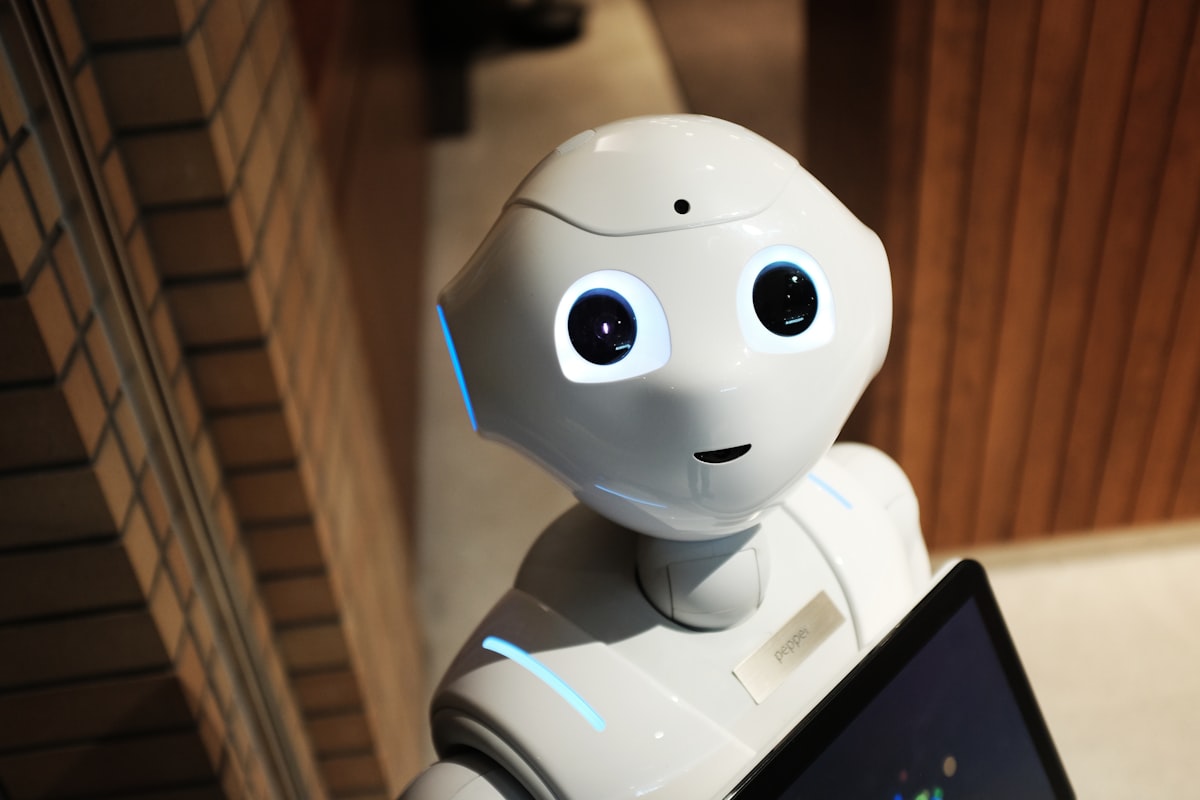
A new report reveals that a growing number of programmers are refusing to work without AI tools, sparking fears of eroding core skills. This phenomenon is reshaping the tech job market and developer careers. Learn about the risks and benefits of this AI dependency in coding.
In a striking development that reflects a radical shift in the software industry, a recent report from TechCrunch AI reveals that a growing number of programmers are categorically refusing to work without AI tools. This trend, which might seem like a sign of technological progress, carries significant long-term risks. Experts express concern that over-reliance on smart coding tools could erode essential developer skills, such as problem-solving and critical thinking. While these tools offer immense productivity gains, the question remains: Are we witnessing a revolution in programming, or falling into a trap of technical dependency?
According to the report, programmers worldwide now consider tools like GitHub Copilot and ChatGPT as integral parts of their daily workflow. Many are refusing to accept jobs or tasks that do not provide access to these tools, arguing that working without them is like working without the internet or a modern text editor. This stance reflects a profound shift in programming culture, where AI tools are no longer just a helpful addition but a fundamental necessity.
The report cites specific cases of developers who resigned from jobs or turned down projects because companies did not provide AI tool licenses. One developer stated, 'Working without an AI assistant is like driving without GPS; you can get there, but you waste a lot of time and effort.' These sentiments highlight a new reality where AI-assisted programming is the norm, not the exception.
While refusing to work without AI may seem like a natural step forward, experts warn that this trend could backfire. Excessive dependence on these tools can lead to declining core programming skills, especially among new developers who have not yet built a strong foundation in problem-solving and algorithm understanding. When programmers become accustomed to AI writing 80% of their code, their ability to debug complex issues or optimize performance may seriously deteriorate.
Moreover, there is a risk of relying on unreliable tools, as AI models are not infallible and may produce code with security vulnerabilities or inefficiencies. If programmers become unable to critically review AI-generated code, overall software quality could decline. There is also concern that this trend could create a skills gap between older generations of programmers with deep expertise and newer ones heavily dependent on AI assistants.
Yes, this is becoming increasingly common, especially among developers accustomed to the high productivity these tools offer. However, experts advise maintaining a balance between tool usage and developing core skills.
Key risks include declining problem-solving skills, dependence on potentially flawed code, and loss of ability to understand programming nuances. There is also a risk that programmers may become unable to work in environments that do not support these tools.
No, at least not in the foreseeable future. AI is a helper, not a replacement. Human skills like architectural design, understanding user needs, and strategic decision-making remain beyond current AI capabilities.
Experts recommend using AI as an assistant, not a substitute. Programmers should try to solve problems themselves first, then use AI to verify or improve solutions. Working on personal projects without AI help can also preserve core skills.
Popular tools include GitHub Copilot, ChatGPT, Tabnine, and Amazon CodeWhisperer. Each offers unique features for code generation, debugging, and optimization.
The refusal of programmers to work without AI tools marks a pivotal moment in the tech industry. While these tools boost productivity and efficiency, the potential erosion of fundamental skills poses a serious threat to the future of software development. To navigate this landscape, developers must strike a balance—leveraging AI as a powerful ally while continuously honing their own expertise. The future of programming depends not on choosing between human skill and artificial intelligence, but on integrating both wisely.
Source: TechCrunch AI | Analysis & Editorial: AI Tools Oasis

Bringing you the latest news and analysis in the world of Artificial Intelligence with accuracy and credibility. Follow us for all updates.

OpenAI is advancing its ambitious super app project, aiming to integrate advanced AI capabilities into a single, multifunctional platform. This development is part of the company's strategy to expand services and deliver a unified user experience. Discover the full details and expected impact of this move.

Notion has restored access to its Anthropic AI integration after a 4-hour outage disrupted users relying on Claude-powered features. The incident highlights the growing dependency on AI productivity tools and raises questions about infrastructure stability. All user data remained secure during the disruption.

A new report from TechCrunch AI warns of a potential 'Tokenpocalypse'—a massive collapse of digital tokens due to oversupply. With over 80% of new tokens losing 90% of their value, the market faces a crisis reminiscent of the dot-com bubble. This analysis explores the risks, impacts, and how investors can protect themselves.
