
Bill Gates Proposes Robot Tax and Human-Reserved Jobs to Counter AI
By Ali Al-Montaser — Senior AI Technical Editor
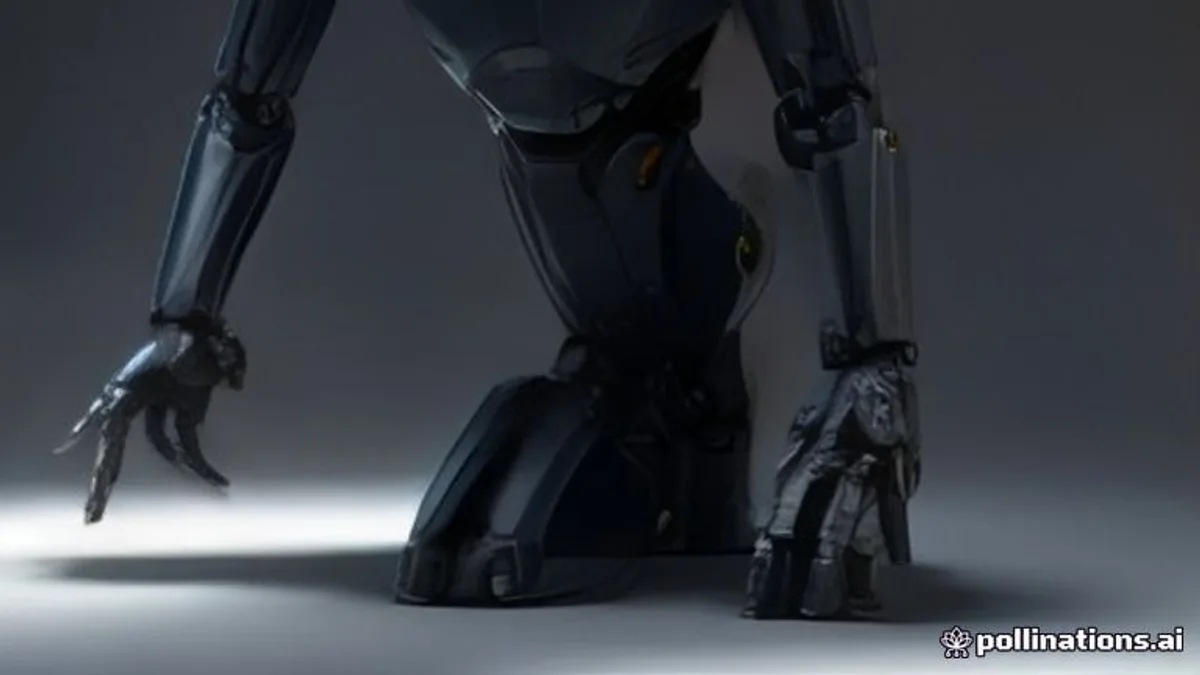
Bill Gates has called for a robot tax and human-reserved jobs to mitigate AI's impact on the workforce. His proposal, reported by TechCrunch, suggests using tax revenue to fund worker retraining and social safety nets. This comes amid rapid automation across industries, raising questions about the future of employment and government's role in protecting workers.
Introduction
As artificial intelligence continues to reshape industries at an unprecedented pace, Microsoft co-founder Bill Gates has stepped into the debate with a bold proposal. In a recent interview reported by TechCrunch, Gates advocated for a robot tax and the creation of what he calls "human-reserved jobs" to cushion the societal impact of automation. His remarks have sparked widespread discussion among policymakers, technologists, and labor advocates about how to balance innovation with workforce protection.
Gates' proposal arrives at a critical juncture, with AI systems increasingly capable of performing tasks once exclusive to humans, from customer service to data analysis. The billionaire philanthropist argues that without proactive measures, the rapid adoption of intelligent technologies could lead to significant job displacement and widening economic inequality. His call for a robot tax and reserved human roles is an attempt to steer the conversation toward practical solutions.
News Details
According to the TechCrunch report, Gates suggests imposing a tax on companies that heavily rely on robots and AI systems. The revenue generated from this tax would be directed toward funding retraining programs for displaced workers and strengthening social safety nets. This approach, he believes, would help mitigate the negative consequences of automation while still encouraging technological progress.
In addition to the tax, Gates introduced the concept of "human-reserved jobs"—specific roles that would be exclusively reserved for human workers, ensuring that people retain a meaningful place in the economy. While the exact nature of these roles remains undefined, the idea is to protect jobs that require uniquely human skills, such as creativity, empathy, and complex decision-making. This proposal comes as many industries, from manufacturing to finance, are increasingly turning to automation, raising fears of massive job losses worldwide.
Impact and Analysis
Gates' proposal marks a significant shift in the discourse around AI regulation, moving from abstract concerns to concrete policy suggestions. However, implementing such measures faces considerable hurdles. Tax systems and labor laws vary widely across countries, making a uniform approach difficult. Moreover, defining which jobs should be "reserved" for humans is challenging, especially as AI capabilities continue to evolve rapidly.
Analysts suggest that Gates' comments could catalyze a broader conversation about the responsibilities of tech giants in mitigating the social costs of automation. His ideas may serve as a starting point for future policies adopted by governments and international organizations. As AI continues to transform the nature of work, the debate over how to protect workers while fostering innovation will only intensify.
Conclusion
Bill Gates' call for a robot tax and human-reserved jobs highlights a central issue of the AI era: ensuring that technological advancement does not come at the expense of human livelihoods. While his proposals are still subject to debate, they represent an important step toward finding a balance between innovation and societal protection. The key question remains: will governments and corporations embrace these ideas and turn them into actionable policies?
Source: TechCrunch AI | Analysis & Editorial: AI Tools Oasis
Frequently Asked Questions
The robot tax is a proposed levy on companies that heavily use robots and intelligent systems, with the revenue intended to fund retraining programs for affected workers and provide social safety nets.
Human-reserved jobs are specific roles that Bill Gates suggests should be exclusively reserved for human workers, ensuring that people retain a fundamental role in the economy as automation advances.
Gates is advocating for these policies to mitigate the potential negative impacts of AI on the job market, especially as automation becomes more prevalent across various sectors.
Challenges include differences in tax systems and labor laws across countries, as well as difficulty in defining which jobs should be protected, especially as AI capabilities continue to evolve.
These proposals could influence the Arab region by sparking discussions about the future of work as local companies increasingly adopt AI, potentially guiding skills development toward areas that require a human touch.
AI Tools Oasis Team
Bringing you the latest news and analysis in the world of Artificial Intelligence with accuracy and credibility. Follow us for all updates.


