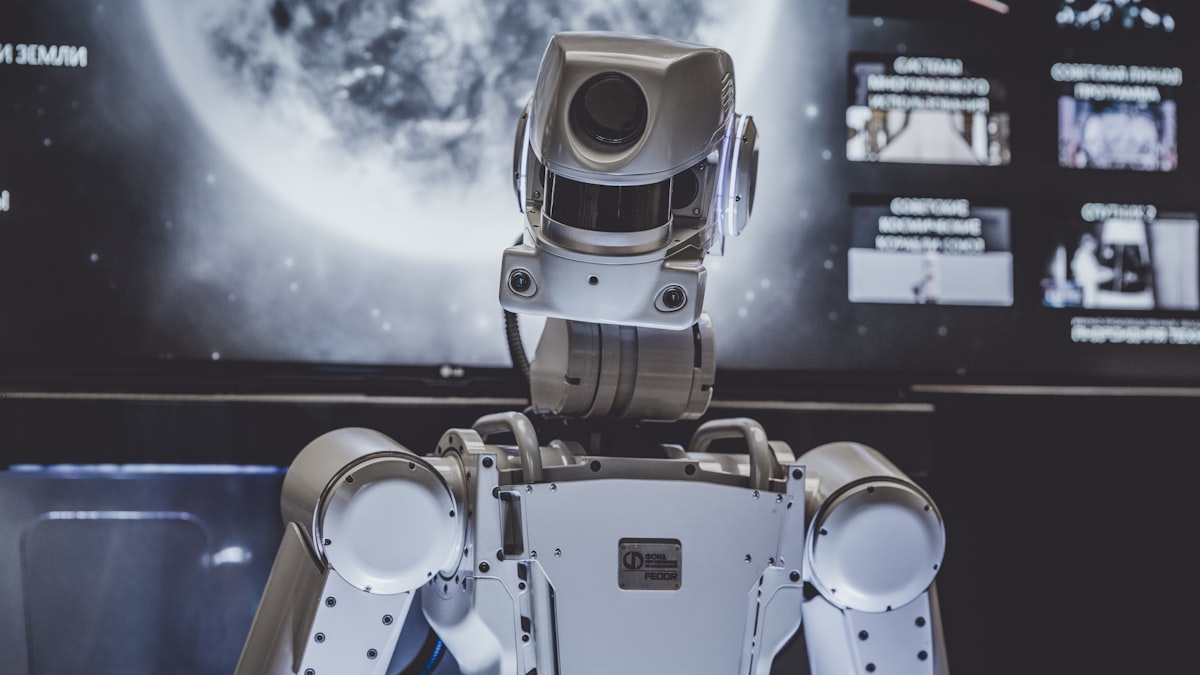
Apple is reportedly preparing to announce a major Siri overhaul powered by Google's Gemini AI in February. This strategic partnership marks a significant shift for Apple, which has faced criticism for Siri's limitations compared to rivals. The new AI assistant promises advanced conversational abilities, cross-app task execution, and image analysis, potentially transforming the Apple ecosystem user experience.
In a landmark strategic shift, Apple is preparing to unveil the most significant update to its voice assistant Siri since its debut over a decade ago. According to exclusive reports from TechCrunch AI, Apple will introduce a completely reimagined Siri powered by Google's advanced Gemini artificial intelligence technology. The anticipated February announcement will culminate months of speculation about a potential partnership between the two technology giants. This development represents a pivotal moment for Siri, which has faced increasing criticism for its limited capabilities compared to competitors like Google Assistant and Amazon's Alexa. Industry analysts view this move as Apple's acknowledgment that external expertise is necessary to accelerate innovation in the generative AI race, where the company has notably lagged behind.
Reports indicate the official announcement will be part of a special Apple event in February, potentially tied to new software releases or updated hardware. Demonstrations are expected to focus on Siri's radically enhanced capabilities, which will reportedly include:
These features will be powered by Google's Gemini infrastructure, currently considered one of the most advanced AI models on the market. Interestingly, sources suggest Apple has maintained significant portions of its proprietary privacy and security technologies. This implies the collaboration may primarily focus on linguistic model capabilities while data processing adheres to Apple's stringent standards, addressing a key concern for its user base.
The partnership negotiations between Apple and Google didn't emerge from a vacuum; reports of intermittent discussions between the companies have surfaced for months. This development comes as Apple faces mounting pressure from both investors and users to modernize Siri, particularly following the remarkable success of ChatGPT and similar AI tools. Conversely, Google is seeking new partners to expand the reach of its Gemini technologies amid fierce competition with OpenAI and Microsoft. This collaboration represents a unique scenario where traditional rivals in one domain are joining forces to address shared challenges in another, highlighting the transformative pressure generative AI is placing on established tech ecosystems.
The launch of the new Siri is expected to have significant ripple effects across multiple fronts. For user experience, Apple device owners will witness a quantum leap in how they interact with their iPhones, iPads, and computers. On the competitive landscape, this move may pressure rivals like Samsung and Amazon to accelerate their own smart assistant development or seek similar partnerships. Strategically, this signals a notable shift in Apple's famous "walled garden" philosophy of heavy internal reliance. After years of development on its own AI model (codenamed Ajax), the company appears to have concluded that strategic partnership is the fastest route to maintaining relevance. However, questions remain about how Google's data-centric business model will align with Apple's strict privacy policies—a complex technical and regulatory challenge that will be closely watched.
According to reports, Apple is scheduled to announce it in February. A developer beta is expected to follow shortly after the announcement, with a general release to all users likely arriving in a software update later in 2026.
The advanced capabilities of the new Siri will likely require modern processors, meaning older devices may receive a limited feature set or may not support it at all. Apple typically announces specific system requirements at the official launch event.
Reports indicate Apple remains keen to uphold its privacy standards. Some complex queries may be processed on Google's cloud infrastructure, but Apple will presumably ensure data anonymization and encryption. The company is expected to provide clear details about its data policy during the official announcement.
It is expected that the core Siri functionality will remain free for Apple device users. However, there is industry speculation about whether Apple might introduce premium, Gemini-powered features under a subscription model in the future, similar to approaches by other tech companies. No official pricing details have been confirmed.
This partnership could redefine the smart assistant landscape, moving from simple command-based interactions to truly conversational, proactive, and multi-modal AI companions. It sets a new benchmark for capability and may accelerate industry-wide adoption of large language model integrations, benefiting consumers through more powerful and intuitive tools.
The impending launch of a Gemini-powered Siri represents more than just a feature update; it signifies Apple's strategic pivot in the AI era. By leveraging Google's cutting-edge technology, Apple aims to close the competitive gap rapidly while navigating the complex balance between capability, privacy, and ecosystem control. For millions of users, February's announcement could mark the beginning of a fundamentally more useful and intelligent relationship with their Apple devices. The success of this high-stakes partnership will not only determine Siri's future but also shape the dynamics of the entire AI assistant market for years to come.
Source: TechCrunch AI | Analysis & Editorial: AI Tools Oasis

Bringing you the latest news and analysis in the world of Artificial Intelligence with accuracy and credibility. Follow us for all updates.

OpenAI is advancing its ambitious super app project, aiming to integrate advanced AI capabilities into a single, multifunctional platform. This development is part of the company's strategy to expand services and deliver a unified user experience. Discover the full details and expected impact of this move.
Notion has restored access to its Anthropic AI integration after a 4-hour outage disrupted users relying on Claude-powered features. The incident highlights the growing dependency on AI productivity tools and raises questions about infrastructure stability. All user data remained secure during the disruption.
A new report from TechCrunch AI warns of a potential 'Tokenpocalypse'—a massive collapse of digital tokens due to oversupply. With over 80% of new tokens losing 90% of their value, the market faces a crisis reminiscent of the dot-com bubble. This analysis explores the risks, impacts, and how investors can protect themselves.
