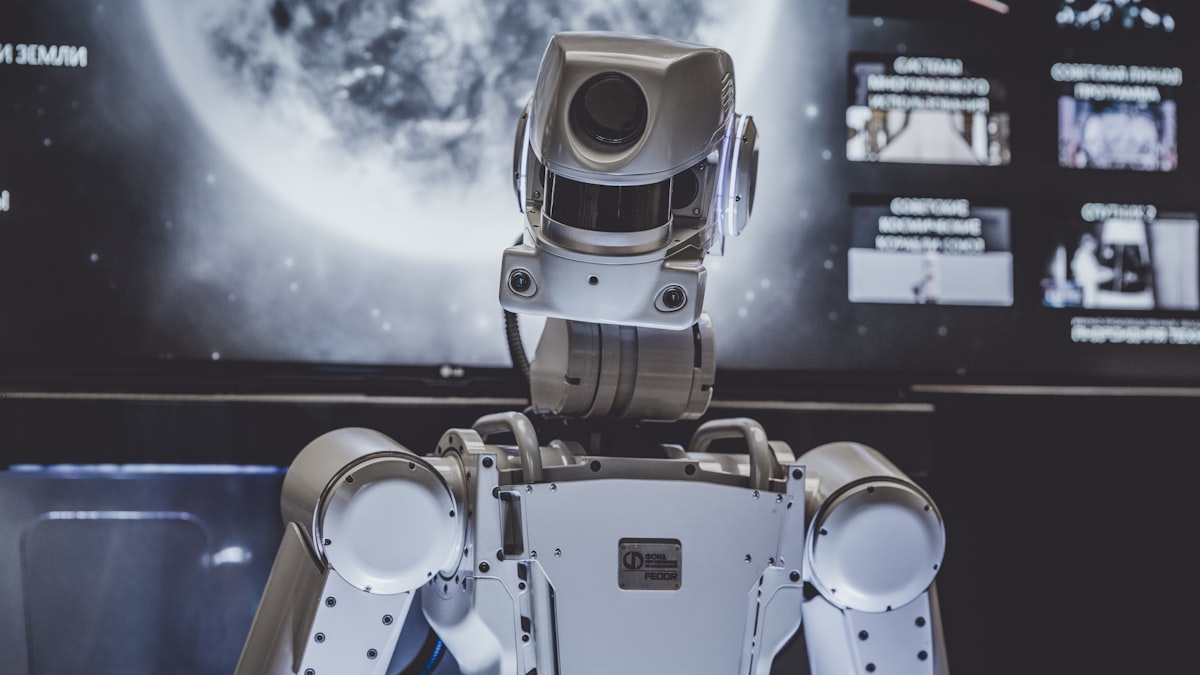
Tech startup Humans argues that AI's ability to coordinate and collaborate with humans and other systems is the next major breakthrough. The company is building a specialized model to prove that AI can become an effective partner in complex work environments, shifting from a solitary tool to a collaborative team member. This development could redefine how we interact with machines in factories, research labs, and beyond.
As artificial intelligence development accelerates, new challenges are emerging that go beyond simply improving the individual performance of models. Humans, an ambitious technology startup, proposes a bold vision: coordination and collaboration represent the next milestone AI must achieve. The focus isn't just on making models smarter, but on making them more capable of working within integrated systems alongside humans and other machines. This paradigm shift would redefine AI's role from a tool that executes commands to an effective partner in solving complex problems. The company believes that true intelligence manifests not in isolation, but in how systems work together toward shared objectives in dynamic environments.
According to a report by TechCrunch AI, Humans isn't just discussing the importance of coordination theoretically—it's actively working to translate this vision into tangible reality. The company's technical teams are developing a specialized AI model designed specifically to demonstrate that coordination can be a primary area of advancement. This model aims to address a genuine market gap: the ability of AI systems to understand collective context, distribute tasks, and adapt to dynamic changes in shared work environments. The initiative represents a significant investment in what many researchers consider one of AI's most challenging frontiers.
The report indicates that the new model will focus on practical scenarios, such as:
Humans' focus on AI coordination comes at a time when many industries are undergoing rapid digital transformation, with automated systems and human resources increasingly coexisting. Current technical solutions often fail when placed in complex collective environments because they're designed to operate in isolation. Success with such a model could lead to:
AI coordination refers to the ability of AI systems or models to work harmoniously with other entities—whether humans, other AI systems, or machines—to achieve a common goal. This involves communication, task allocation, conflict resolution, and adaptation to unexpected actions from partners in the workflow. It's about creating systems that understand they're part of a team rather than operating in a vacuum.
Traditional learning often focuses on improving a single model's performance on a specific task (like image recognition or text generation). In contrast, coordination focuses on interactions and relationships between multiple agents (active parties), requiring an understanding of shared intent and collective context—a significantly more complex challenge. It's less about individual capability and more about systemic harmony.
Applications are expected to be broad, encompassing collaborative robotics in manufacturing, managing intelligent fleets of autonomous vehicles, enhancing remote teamwork through advanced AI assistants, and even complex video games requiring collective strategy. The technology could revolutionize any domain where multiple intelligent entities must work in concert.
Quite the opposite. The stated goal from Humans and others in this space is to augment and enhance human work, not replace it. The focus is on making AI a smarter, more flexible partner that can handle routine or dangerous aspects of collective tasks, thereby freeing human creativity and strategic thinking. The vision is symbiotic, not substitutive.
Key challenges include developing reliable communication protocols between heterogeneous systems, creating models that can infer unstated goals from human partners, ensuring safety and predictability in shared environments, and building systems that can gracefully handle failures or misunderstandings without catastrophic breakdowns in the collaborative process.
Humans' initiative highlights a growing trend in AI research: the transition from building isolated smart models to creating collaborative intelligent systems. If the company succeeds in proving its hypothesis through the model it's building, we may be on the brink of a new phase where AI becomes an integral part of the collaborative fabric of work and innovation. This represents more than a technical achievement—it's a reimagining of how intelligence, both artificial and human, can combine to solve problems that neither could tackle alone. The future of AI may not be about creating the smartest individual entity, but about building the most effective collaborative networks.
Source: TechCrunch AI | Analysis & Editorial: AI Tools Oasis

Bringing you the latest news and analysis in the world of Artificial Intelligence with accuracy and credibility. Follow us for all updates.

Only 5 days remain to grab huge discounts on TechCrunch Disrupt 2026 tickets, saving up to $410 before prices rise. This premier startup and tech conference offers networking, investment opportunities, and cutting-edge insights. Book now to secure the best rate and join global innovators.

The deadline to apply for the Startup Battlefield 200 competition is fast approaching, closing on May 27. This premier event offers startups a platform to showcase innovations to top investors and experts. Don't miss this opportunity for funding and extensive media coverage.
In a surprising move, Pope Francis releases an encyclical on artificial intelligence that focuses on human values and ethics rather than technical details. This article analyzes the philosophical and social dimensions of the message and its impact on policymakers and developers.
