
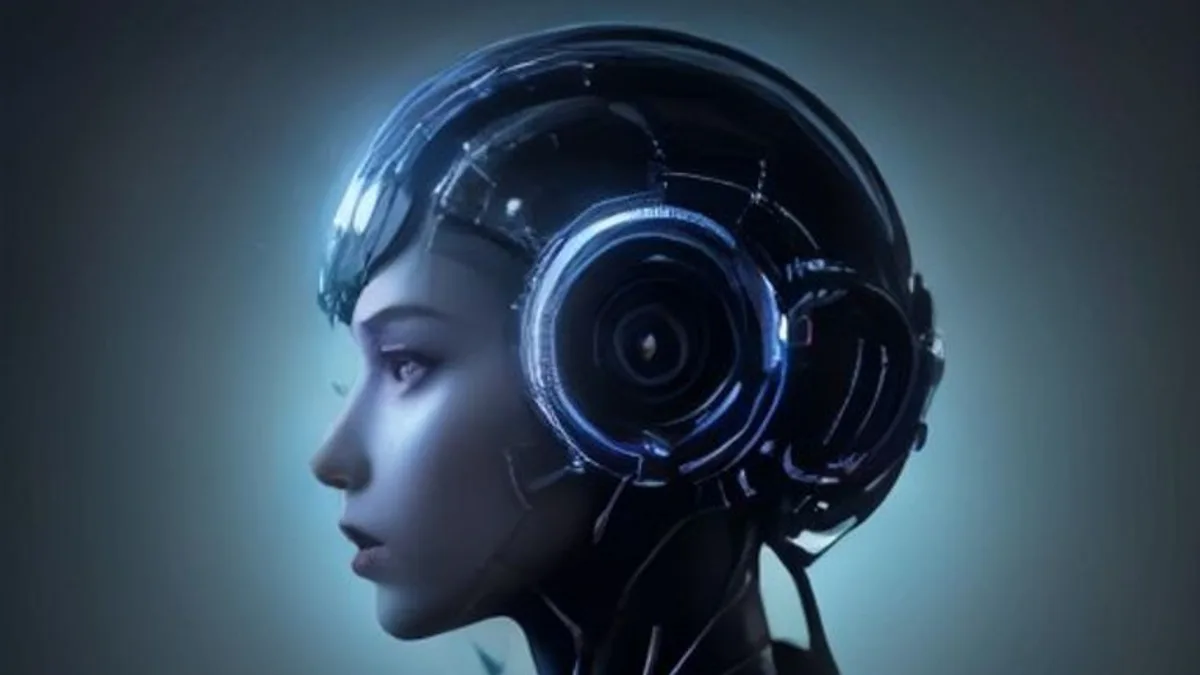
The Transition Toward Precision in Generative AI
The generative artificial intelligence sector is undergoing a definitive period of maturation. The broader industry narrative is moving away from generalized large language models and broad-purpose bots toward specialized ecosystems tailored for distinct operational demands. For digital artists, academic researchers, narrative designers, and workplace professionals, the primary objective is no longer generic text generation or random image synthesis. Instead, modern artificial intelligence software is expected to integrate seamlessly into complex professional pipelines and interactive entertainment environments.
This analytical review evaluates five specialized tools recently introduced to address tangible creative and operational bottlenecks. Spanning animated media creation, tabletop gaming environments, virtual companionship, scholarly proofreading, and voice dictation, these applications demonstrate how artificial intelligence can move beyond broad novelty to deliver targeted utility for specific user cohorts.
Transforming Interactive Entertainment and Visual Storytelling
Interactive entertainment and visual production represent some of the most dynamic testing grounds for generative machine learning. Developers and storytellers are leveraging modern systems to shorten production cycles and introduce innovative narrative mechanics.
In digital animation and episodic storytelling, Showrunner, developed by The Simulation (formerly known as Fable Studio), highlights a technical evolution in digital entertainment. The platform is designed to reshape both viewing and production pipelines by allowing users to direct, generate, and interact with animated content through generative artificial intelligence. By bridging the gap between passive consumption and active creative direction, the software enables creators to iterate on animated storytelling with novel interactive capabilities.
Parallel advancements are modernizing tabletop role-playing games (TTRPGs). Running comprehensive gaming sessions typically demands hours of manual preparation from Game Masters and Dungeon Masters, especially when rendering detailed environments. To address this friction, Dungeon Alchemist serves as an AI-powered generative mapmaker designed specifically for the TTRPG community. By automating the technical layout of intricate fantasy environments, the tool translates conceptual narrative prompts into rich, visually detailed encounter maps in real time, significantly reducing preparation time while preserving visual fidelity.
Interactive narrative systems also extend into personalized social spaces. The platform Talkie: Soulful AI provides a multimodal environment populated by expressive virtual companions and lifelike fictional personas. Built on conversational intelligence and distinct expressive traits, the system enables users to engage in dynamic interactive dialogue, demonstrating how conversational AI can cultivate nuanced digital companionship and character-driven interactions.
Professional Productivity and Academic Rigor: From Voice to Polished Text
While entertainment platforms emphasize immersive visualization, workplace and scholarly applications focus heavily on information fidelity, linguistic precision, and documentation efficiency. In research and academic institutions, adhering to rigorous publication guidelines remains a high-stakes challenge for investigators and students alike.
To support formal academic output, Wordvice AI operates as a dedicated writing and editing assistant. Unlike generic proofreaders, its models are structured specifically to meet academic and scientific writing standards. The software evaluates research papers, dissertations, and professional manuscripts to provide contextual editorial suggestions, refine sentence structures, and ensure clarity without diluting scholarly nuance.
Alongside formal document refinement, modern fast-paced work environments require low-friction methods for capturing unstructured thoughts. The conventional reliance on manual keyboard input often introduces a lag between cognitive ideation and digital documentation. Addressing this friction point, Wispr Flow Notetaker integrates advanced voice dictation technology to streamline real-time note-taking. The application converts spoken thoughts and natural dialogue into clear, structured text, allowing professionals to record ideas instantly and maintain momentum throughout daily workflows.
Industry Analysis: Maturing Specialization and Multimodal Workflows
A broader analysis of these software developments illustrates key patterns governing the current trajectory of applied artificial intelligence:
- Audience-Specific Granularity: Software solutions are intentionally abandoning one-size-fits-all architectures. A generative mapmaker specifically optimized for tabletop gaming mechanics and an academic editor calibrated for research publication standards demonstrate the value of building for well-defined user segments.
- Multimodal Integration: Operational inputs and outputs are expanding far beyond conventional text boxes. Modern applications routinely coordinate live voice transcription, procedural visual rendering, and interactive avatar generation within cohesive environments.
- Augmentation Over Automation: Across both creative and technical fields, these tools position the user as the primary director. Whether an author guides an animated sequence, a Game Master arranges narrative encounters, or a researcher validates structural edits, the system serves as an execution layer rather than an unguided replacement.
Strategic Recommendations for Creators and Professionals
To maximize the utility of these specialized tools, creators, researchers, and project leaders should focus on targeted implementation rather than adopting software indiscriminately. Identifying precise workflow bottlenecks is essential. For designers and storytellers, utilizing procedural environment generators can eliminate the repetitive hours spent drafting early-stage visual layouts. For researchers and business professionals, pairing speech-to-text dictation with academic proofreading tools can establish an efficient end-to-end writing pipeline—allowing thoughts to move seamlessly from spoken concepts into polished, publication-ready documentation.